
Spirit Airlines in 2026: The Turbulent Comeback Story You Need to Read
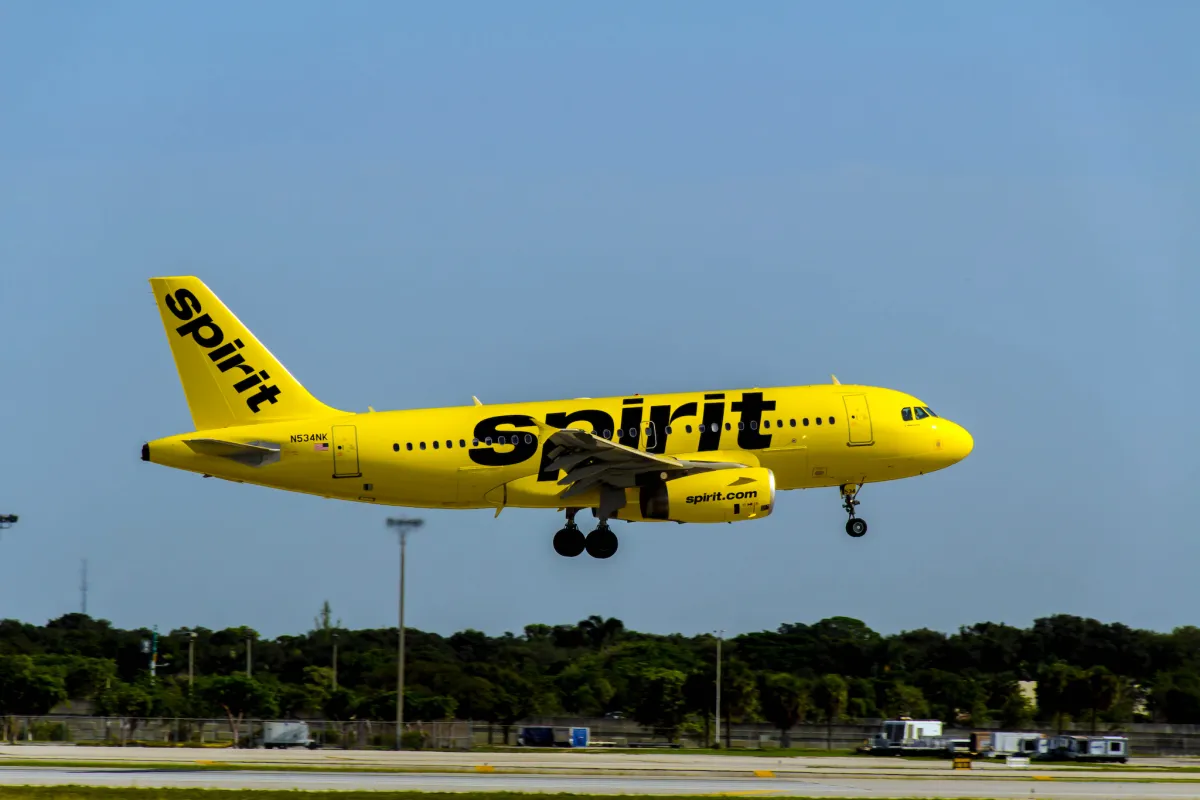
Let's face it: nobody books a Spirit Airlines flight for the legroom. You book it because your wallet needs a vacation too. But in 2026, America's most recognizable yellow plane faces a plot twist even Hollywood couldn't script—double bankruptcy, fleet shrinkage, and a fight for survival that has travelers asking: "Is Spirit Airlines shutting down for good?"
Quick Navigation
The Current Status: Flying, But Not Without Turbulence
As of early 2026, Spirit Airlines remains airborne—but barely. The ultra-low-cost carrier filed for Chapter 11 bankruptcy protection not once, but twice within twelve months. The first filing hit in November 2024; the second followed in August 2025 when management realized that trimming debt alone wouldn't fix fundamental operational cracks [^3^].
Here's the kicker: Spirit actually emerged from its first bankruptcy in March 2025 after just 87 days—a speed-run that would make Sonic jealous [^4^]. But like eating gas station sushi, fast doesn't always mean good. By summer 2025, mounting losses and dwindling cash forced a sequel nobody wanted.
The airline has recalled 500 of the 1,300+ flight attendants furloughed in December 2025, signaling cautious optimism [^3^]. Still, industry analysts warn that liquidation remains a possibility if the second restructuring falters [^2^].
The Double Bankruptcy Timeline: A Story in Two Acts
Spirit's financial nosedive didn't happen overnight. The carrier lost over $2.5 billion since 2020, hemorrhaging cash like a broken fuel line [^1^]. Let's break down the drama:
| Date | Event | Impact |
|---|---|---|
| Nov 2024 | First Chapter 11 filing | Debt restructuring begins; operations continue |
| Mar 2025 | Emerges from first bankruptcy | Quick 87-day exit; balance sheet cleaned but operations untouched |
| Aug 2025 | Second Chapter 11 filing ("Chapter 22") | Operational restructuring begins; deeper cuts announced |
| Dec 2025 | Furloughs 1,300+ crew members | Network contraction accelerates |
| Mar 2026 | Restructuring Support Agreement filed | Path to exit by early summer 2026 established |
What went wrong? Spirit grew its domestic capacity by a factor of 7.3 between 2010 and 2024—more than four times the market average—in a mature market where grabbing share through price wars is about as sustainable as a New Year's resolution [^9^]. Add failed merger attempts with JetBlue and Frontier (blocked by regulators), plus post-COVID leisure travel headwinds, and you have a perfect storm.
Fleet & Network: Less Is More (Finally)
Spirit plans to rightsize its fleet to 76-80 aircraft by Q3 2026, down from previous highs, focusing primarily on Airbus A320/321ceo models [^7^]. The airline sold 20 Airbus jetliners in early 2026 to ease liquidity concerns, phasing them out starting April 2026 [^3^].
Network changes hit hard. Spirit pulled out of 11 cities in late 2025, followed by five more in November 2025 [^16^]. The strategy now focuses on fortress hubs where demand actually exists: Fort Lauderdale (FLL), Orlando (MCO), Detroit (DTW), and the New York metro area (EWR/LGA) [^7^].
The ULCC Model: Why Spirit Charges for Everything
Spirit didn't invent the ultra-low-cost carrier model, but they perfected the art of the "à la carte" experience. Here's how it actually works—and why it matters for your wallet.
The airline unbundles every conceivable amenity. Your base fare covers a seat and one personal item. Period. Want a carry-on? That's extra. Checked bag? Extra. Water? You guessed it. This isn't greed; it's geometry. By incentivizing passengers to travel light, Spirit boards faster, flies more routes per day, and burns less fuel [^12^].
Ancillary revenue—bag fees, seat selection, snacks—accounts for roughly 40% of total revenue [^14^]. The average Spirit passenger pays $55 in extras per flight, up from just $5 in 2006 [^12^]. Yet even with these add-ons, total fares often undercut Southwest by 20% and legacy carriers by significantly more.
The new wrinkle? Spirit is finally adding premium options. The expanded "Spirit First" and "Premium Economy" offerings represent a strategic pivot—acknowledging that some travelers will pay more for comfort, while others still want that rock-bottom base fare [^7^].
What Travelers Need to Know in 2026
Your Bookings Are Safe (For Now)
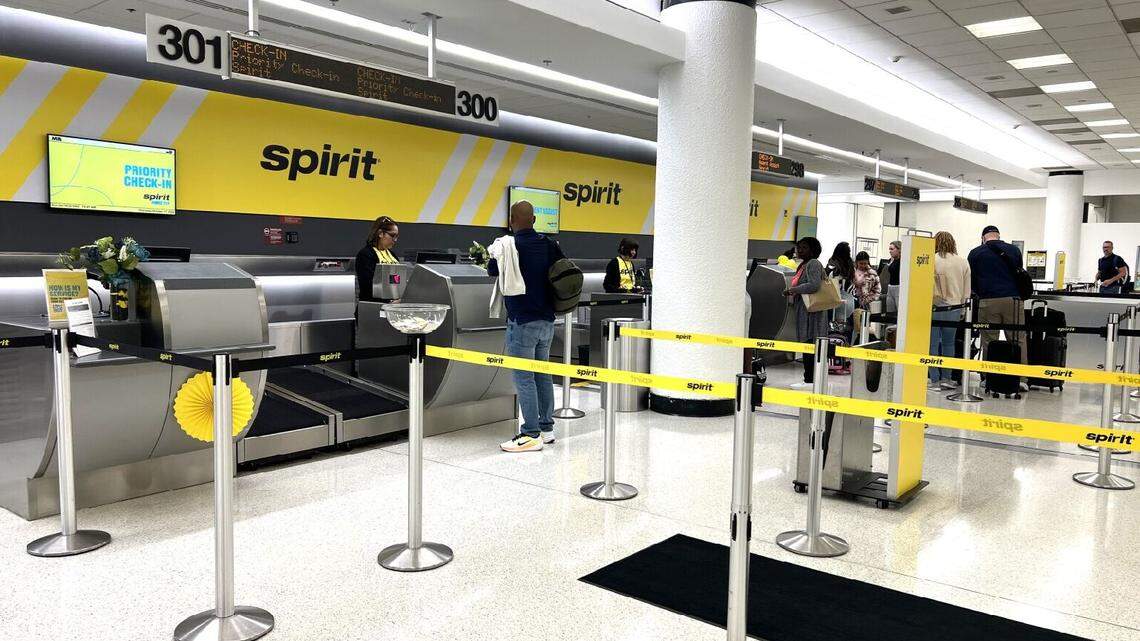
Spirit continues selling tickets, honoring reservations, and operating flights throughout bankruptcy. The company filed customary motions to maintain normal operations, and loyalty points remain valid [^8^]. Still, booking flights more than three months out carries inherent risk during restructuring.
The Fee Structure Isn't Changing
Don't expect Spirit to suddenly become generous with free carry-ons. The unbundled model remains central to survival. Pack light, print your boarding pass at home (seriously, they charge for agent-printed passes), and accept that comfort costs extra.
Focus Cities Offer the Best Odds
Routes from Fort Lauderdale, Orlando, Detroit, and New York show the highest stability. Secondary markets face ongoing cuts. If you're planning a Caribbean getaway or Vegas weekend from these hubs, Spirit likely remains your cheapest option [^16^].
Monitor the Restructuring Timeline
Spirit's lawyer indicated during bankruptcy hearings that the company could explore "potential future industry transactions" once stabilized—corporate speak for "we might sell ourselves" [^3^]. A buyer would likely maintain operations but could alter routes and policies.
Future Outlook: Can Spirit Survive?
The aviation graveyard contains plenty of low-cost carriers who flew too close to the sun. ValuJet, People Express, and Wow Air all proved that cheap fares alone don't guarantee longevity.
Spirit's advantages remain real: an all-Airbus fleet simplifies maintenance, the brand recognition is undeniable (love it or hate it), and the core demographic—price-sensitive leisure travelers—never disappears [^12^]. The restructuring plan targets $2 billion in post-emergence debt, down from $7.4 billion—a massive deleveraging that could finally let the airline breathe [^7^].
However, challenges loom large. Legacy carriers now match Spirit's prices on competitive routes while offering more included amenities. Fuel costs remain volatile. And consumer tolerance for nickel-and-diming may erode as travel expectations evolve post-pandemic.
The bottom line? Spirit probably survives 2026 as a smaller, more focused airline. Whether it thrives depends on executing the operational turnaround that the first bankruptcy failed to deliver.
Spirit Airlines by the Numbers
| Metric | 2024 Pre-Bankruptcy | 2026 Post-Restructuring (Projected) |
|---|---|---|
| Total Debt & Leases | $7.4 billion | ~$2.1 billion |
| Fleet Size | 200+ aircraft | 76-80 aircraft |
| Focus Cities | Multiple hubs | FLL, MCO, DTW, NYC |
| Flight Attendants Furloughed | 0 | 1,300+ (500 recalled) |
| Bankruptcy Filings | 0 | 2 (Nov 2024, Aug 2025) |
Frequently Asked Questions
Not immediately. While liquidation rumors circulated in April 2026, the airline reached a restructuring deal in March 2026 and plans to exit bankruptcy by early summer. However, the situation remains fluid [^3^][^2^].
Yes. Ticket sales, reservations, and loyalty programs continue operating normally during bankruptcy proceedings. The airline has emphasized "business as usual" for guests [^8^].
Currently, Free Spirit points remain valid and usable. Bankruptcy doesn't automatically void loyalty currencies, though devaluations or program changes could occur post-restructuring.
The first filing (Nov 2024) addressed debt restructuring only. The second (Aug 2025) became necessary when operational losses continued despite the balance sheet cleanup. As one analyst noted, Spirit needed "much more work to be done" beyond debt reduction [^6^].
Unlikely. The unbundled ULCC model remains Spirit's core competitive advantage. However, the airline is expanding premium seating options (Spirit First, Premium Economy) for travelers willing to pay more upfront [^7^].
Recent cuts include Denver, St. Louis, Phoenix, and several smaller markets. The airline now concentrates on Fort Lauderdale, Orlando, Detroit, and New York [^16^][^7^].
Related Reading
For more insights on travel industry dynamics and consumer behavior, check out our analysis of media consumption patterns and travel psychology over at MindUnplug. Understanding why we choose budget travel helps explain Spirit's enduring appeal despite operational challenges.
Book focus-city routes, pack light, and monitor restructuring news. The cheapest fare in the sky isn't going anywhere—yet.
Last Updated: April 18, 2026
Sources: Yahoo Finance | Fox Business | Spirit Airlines IR | OAG Aviation | Harvard Business School


