
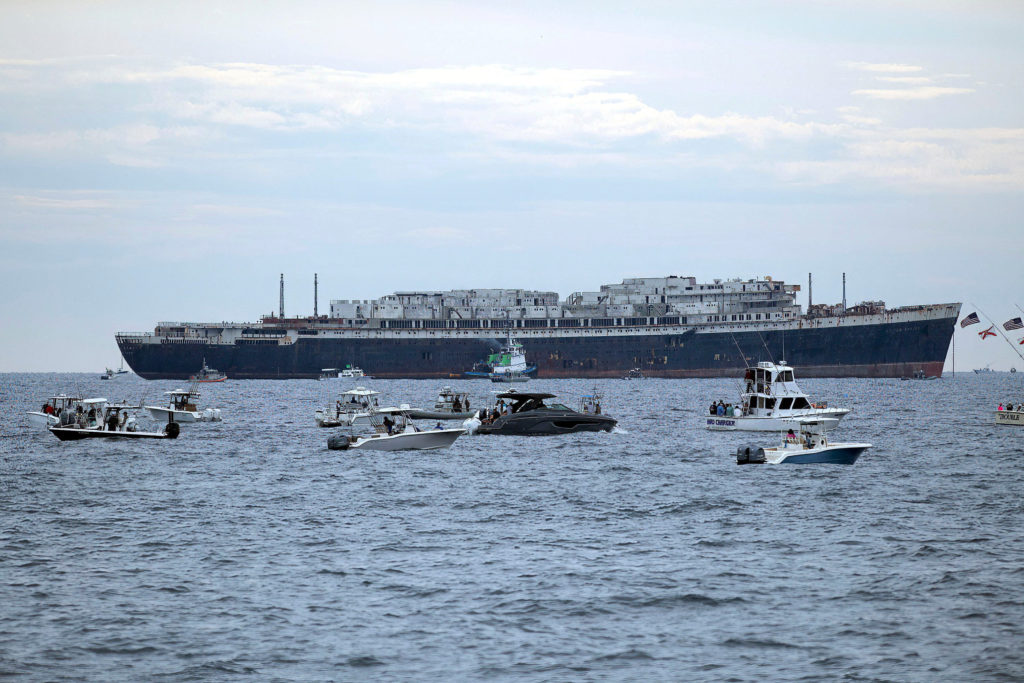
The famous SS United States ocean liner has been sunk off the coast of Florida. Workers sent the massive historic ship underwater so it can become a new artificial reef for ocean life. This grand vessel once held the record as the fastest ocean liner in the world.
Why did the SS United States sink off Florida?
The SS United States ocean liner was once a giant symbol of travel across the seas. Over time, large ocean ships lost their place as more people chose to fly on airplanes. People wanted to find a good new use for the historic vessel instead of letting it sit unused for years.
Leaders decided that sinking the ocean ship was the best way to give it a fresh purpose. Turning big ships into artificial reefs helps clean underwater areas and gives small water creatures safe places to hide. Water teams carefully prepared the vessel so it could settle on the sea floor safely without hurting the local water environment.
What does an artificial reef do for sea life?
When a large ship rests on the ocean floor, it turns into a massive house for wild ocean animals. Coral, sponges, and small sea plants quickly start to grow on the metal walls of the ship. Small fish move into the open spaces to stay safe from bigger hunters that swim by in the open ocean water.
Over time, these man-made structures create rich new places for ocean nature to thrive. Fishermen and ocean divers also love to visit these special spots along the coast of the United States. Creating a new reef helps support the local environment while bringing news visitors to nearby coastal cities every single year.
What happens next for the historic ocean liner?
Now that the ship rests deep under the water off Florida, nature will take over the giant metal walls. Marine scientists will send divers down to check on the ship and watch how fast ocean plants begin to cover it. They will track which types of fish move into the new reef first as the months go by.
People who love history can still celebrate the amazing memory of this record-breaking fast ship. Even though it will never sail across the ocean again, its life continues in a helpful new way beneath the waves. Local teams hope this quiet underwater spot remains a safe home for fish for many decades to come.


