
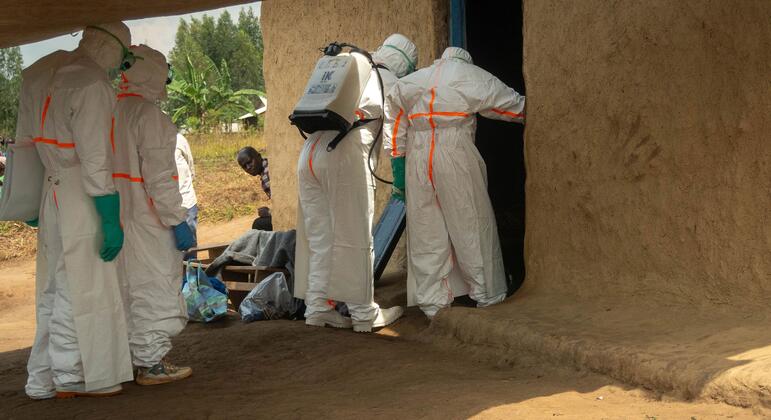
The United Nations reports that Ebola cases have doubled in the Democratic Republic of the Congo. This sudden rise creates fresh worry for health teams working on the ground. Aid groups are now moving quickly to help sick patients and stop the virus from spreading.
Why are Ebola cases rising in DR Congo?
Ebola is a serious virus that can spread very quickly from person to person. When cases double in a short time, it puts heavy pressure on local clinics and hospitals. Doctors and nurses must work extra hours to find every person who came into contact with the sick.
Getting medical help to remote areas is also very hard. Forest roads can be difficult to travel, and medicine must reach small villages in time. Health workers need strong community trust so that people report their symptoms right away.
What does this Ebola outbreak mean for families?
When an outbreak grows, everyday life changes fast for local towns. Families must stay careful about touch, washing hands, and caring for loved ones at home. People often worry about their jobs and food supplies when clinics become crowded.
The situation creates several big challenges for the region:
- Hospitals fill up quickly with patients who need intense care.
- Families must learn how to spot early symptoms to protect children.
- Local teams need clean protective gear every single day.
Health officials say that quick action saves lives during any viral surge. Fast testing lets doctors isolate patients before the germ reaches other towns.
How can health workers stop the virus from spreading?
Stopping a virus like Ebola takes clear rules and fast communication. Medical teams trace every person who spoke with or touched someone who tested positive. They also teach neighborhood groups how to wash hands properly and keep sick rooms separate from others.
Clean water and safe care centers make a massive difference in an outbreak. When doctors catch the illness early, patients have a much higher chance to recover. Health workers also use safe burial practices so that funerals do not spread the germ to mourners.
What should the world watch for next?
In the coming days, global leaders will watch the daily numbers very closely. If the count keeps climbing, international groups will send more doctors, test kits, and medicine to the country. Neighboring nations will also check travel routes and border points to keep their own citizens safe.
Quick support from outside partners helps local hospitals stay open and calm. As the United Nations shares more updates, the focus stays on caring for patients and protecting safe borders. Everyone hopes the swift response will bring the case numbers back down soon.


