
Contempt Proceedings Against Trump Administration: The Alien Enemies Act Deportation Crisis
How a 228-year-old wartime law sparked a constitutional showdown between the judiciary and executive branch over deportation flights to El Salvador.
📋 Table of Contents
On March 15, 2025, the Trump administration invoked a 1798 wartime statute to deport over 200 Venezuelan migrants to a maximum-security prison in El Salvador. When a federal judge ordered the planes turned around, the administration proceeded anyway—triggering one of the most significant contempt proceedings in modern American history.

Deportation flights departing for El Salvador's CECOT prison in March 2025. Image: ABC7 Chicago
What Actually Happened? The Weekend That Shook the Courts
Picture this: It's Saturday evening, March 15, 2025. Federal Judge James Boasberg is in his chambers during an emergency hearing. Lawyers from the ACLU are telling him that planes are literally taking off right now—carrying Venezuelan migrants to a foreign prison without due process.
The judge issues an oral order at approximately 6:48 PM: turn those planes around. He follows up with a written order at 7:26 PM. But here's the kicker—by midnight, two flights had already landed in El Salvador. The migrants were transferred to CECOT (Centro de Confinamiento del Terrorismo), a mega-prison notorious for human rights concerns.
Judge Boasberg wasn't having it. He launched a criminal contempt investigation to find out who made the call to ignore his order. The administration pointed fingers at then-Homeland Security Secretary Kristi Noem. But getting straight answers? That proved harder than threading a needle in a hurricane.
The Alien Enemies Act: A 228-Year-Old Legal Relic
Let's talk about the law that started this mess. The Alien Enemies Act of 1798 gives the president wartime authority to deport non-citizens from "hostile" nations. Sounds straightforward, right? Here's the catch: it has only been invoked three times in American history—the War of 1812, World War I, and World War II.
President Trump's March 14, 2025 proclamation claimed that Tren de Aragua, a Venezuelan criminal organization, constituted an "invasion" of the United States. Legal scholars raised eyebrows. An invasion typically involves a foreign military force, not a criminal gang. But the administration ran with it.
- Declared war by Congress, OR
- Attempted or threatened invasion, OR
- "Predatory incursion" against U.S. territory
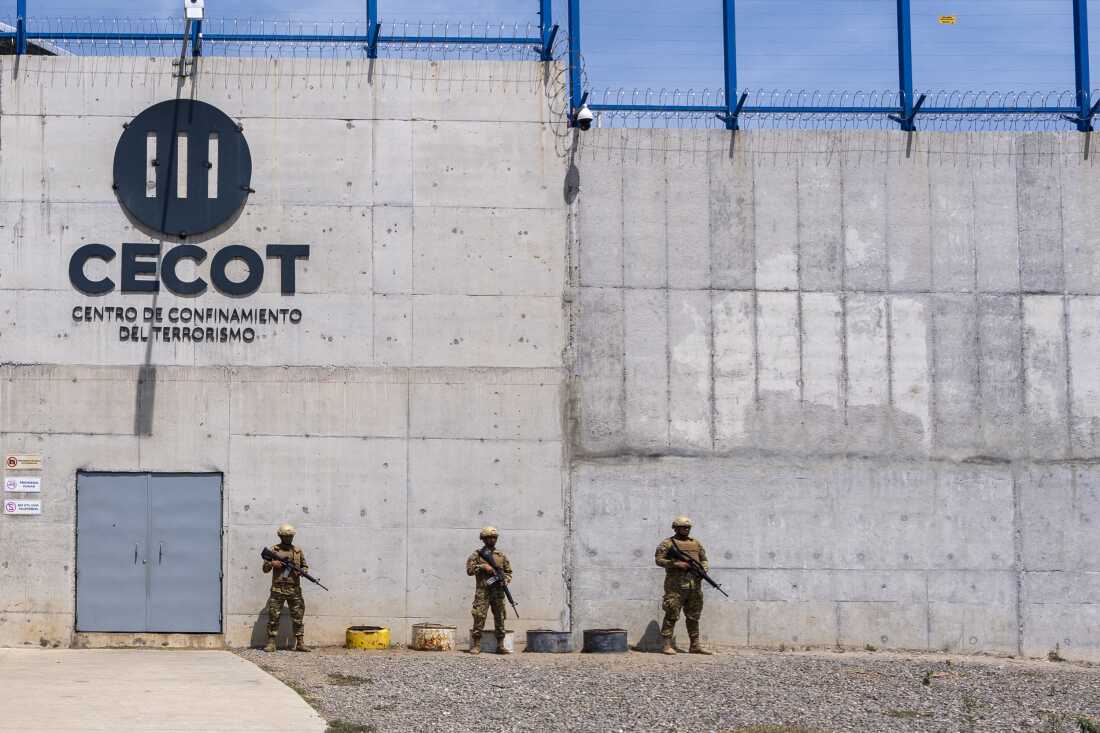
The CECOT mega-prison in El Salvador where deportees were sent without due process. Image: NPR
The Contempt Proceedings Timeline: A Year-Long Legal Battle
Judge Boasberg issues TRO blocking deportations and orders planes turned around. Flights land in El Salvador anyway.
Boasberg finds "probable cause" that the administration committed criminal contempt by willfully defying his order.
D.C. Circuit appeals court blocks Boasberg's contempt findings in a 2-1 split decision. Trump appointees Rao and Walker form the majority.
Full D.C. Circuit allows Boasberg to resume his investigation, ruling the earlier decision didn't bar further proceedings.
Boasberg orders the U.S. to facilitate return of certain migrants, finding "significant evidence" many weren't gang members.
Appeals court again blocks contempt probe, ruling 2-1 that further investigation is an "abuse of discretion."
Appeals Court Blocks Contempt Probe—Again
On April 14, 2026, the D.C. Circuit dealt what may be the final blow to Boasberg's investigation. In a contentious 2-1 ruling, Judges Neomi Rao and Justin Walker—both Trump appointees—ordered the contempt proceedings terminated.
"These proceedings improperly threaten an open-ended, freewheeling inquiry into Executive Branch decisionmaking on matters of national security."
— Judge Neomi Rao, D.C. Circuit Court of Appeals
The majority argued that Boasberg's original order wasn't "clear and specific" enough to support criminal contempt. They also accepted the government's claim that the written order only applied to migrants not yet deported—and the planes were already outside U.S. airspace.
Judge J. Michelle Childs, a Biden appointee, fired back with an 80-page dissent. She warned the ruling could undermine federal court authority "for generations" and noted the court was reviewing proceedings, not a final contempt judgment.
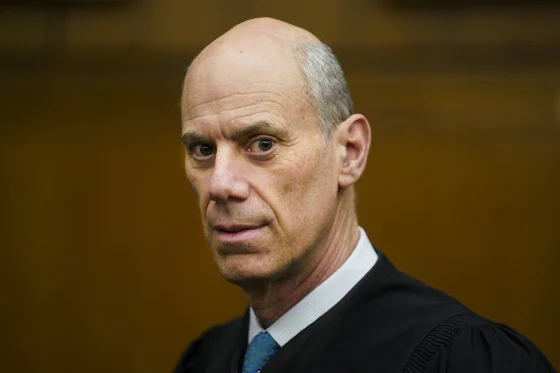
Chief Judge James Boasberg has clashed repeatedly with the Trump administration over deportation policies. Image: NBC News
What This Means for Executive Power
The ruling raises thorny questions about judicial authority. Can courts effectively police the executive branch when national security claims enter the chat? The majority says pushing too hard encroaches on executive autonomy. Critics say it creates a blueprint for ignoring court orders.
ACLU attorney Lee Gelernt didn't mince words: "Our system is built on the executive branch, including the president, respecting court orders. In this case there is no longer any question that the Trump administration willfully violated the court's order."
📊 Key Players in the Contempt Proceedings
| Role | Name | Position |
|---|---|---|
| Presiding Judge | James Boasberg | Chief Judge, D.C. District Court (Obama appointee) |
| DHS Secretary | Kristi Noem | Issued final deportation directive |
| Appeals Judge (Majority) | Neomi Rao | D.C. Circuit (Trump appointee) |
| Appeals Judge (Majority) | Justin Walker | D.C. Circuit (Trump appointee) |
| Appeals Judge (Dissent) | J. Michelle Childs | D.C. Circuit (Biden appointee) |
Constitutional Implications: The Separation of Powers Test
This isn't just about one weekend in March. It's about whether court orders matter when the executive branch decides they don't.
History offers context. Presidents have generally followed court orders even when they disagree. George W. Bush complied with Guantanamo detainee rulings. Eisenhower enforced school integration despite personal reservations. The last major defiance? Southern governors during Brown v. Board—widely considered a shameful chapter.
The contempt power dates back to the Judiciary Act of 1789. Courts use it to compel compliance (civil contempt) or punish defiance (criminal contempt). While no sitting president has ever been held in contempt, agencies and officials have faced sanctions before.
• 2019: Education Secretary Betsy DeVos held in contempt; Department fined $100,000
• 2017: Sheriff Joe Arpaio held in criminal contempt (later pardoned by Trump)
• 2022: Trump held in civil contempt in NY state court; fined $110,000
The "State Secrets" Defense
When Boasberg demanded details about who ordered the flights to continue, the administration invoked the state secrets privilege. Translation: we can't tell you because national security. This didn't sit well with the judge, who called the government's answers "woefully insufficient."
The ACLU has announced plans to seek full-circuit review of the April 2026 ruling. Whether the en banc court takes up the case remains uncertain.
Video Analysis: The Deportation Flights Explained
Frequently Asked Questions
Stay Informed on Constitutional Law
Bookmark this page for updates on contempt proceedings and executive power cases. The balance between branches affects every American.
Sources & References
- [^1^] PBS NewsHour - Appeals court orders end to contempt investigation
- [^2^] Politico - Appeals court blocks Boasberg contempt probe
- [^3^] CBS News - Appeals court shuts down criminal contempt probe
- [^4^] NBC News - Appeals court blocks contempt probe
- [^5^] Brennan Center - What Courts Can Do If Administration Defies Orders
- [^6^] Wikipedia - Prosecution of Donald Trump in New York
- [^7^] D.C. Circuit Court Opinion (August 2025)
- [^8^] Washington Post - Appeals court blocks contempt inquiry
- [^9^] ACLU - Trump's Deportation Flights Timeline
- [^10^] PBS NewsHour - Judge proceeds with contempt probe


